
Council reserve
vegetation
control.
Western Australia.
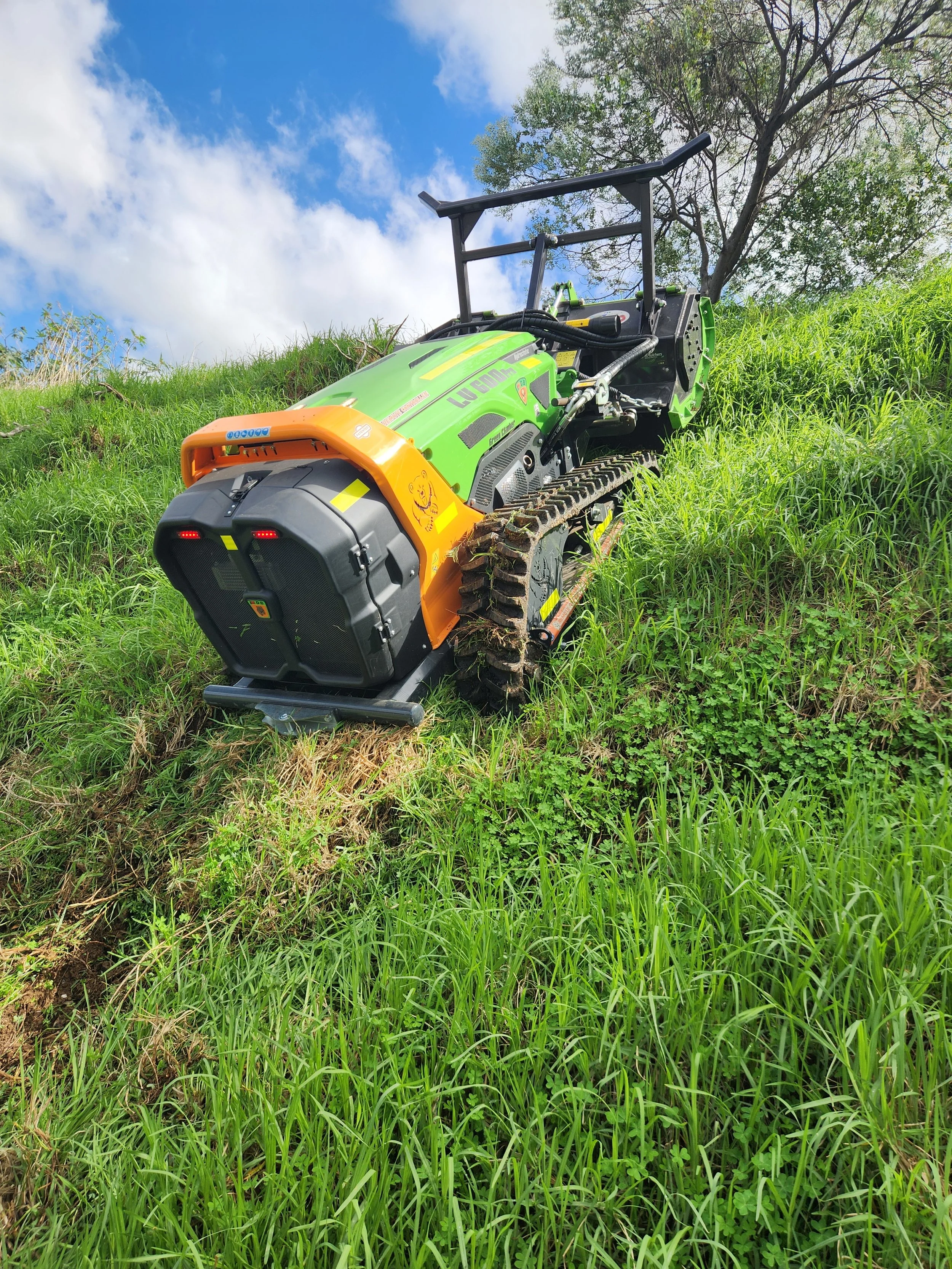
ARC11 provides remote-controlled vegetation management for WA councils managing steep reserves, road batters, drainage lines, embankments and firebreak requirements — where conventional manned plant introduces WHS risk, asset damage exposure, or defensibility questions.
When contractor
selection must
be defensible.
WA councils operate in an environment where the decision to engage a contractor — and the method they use — can be scrutinised after the fact. ARC11 is structured to support that scrutiny.
ARC11 is built for vegetation management on steep reserves, road batters, and access-constrained sites where conventional manned plant introduces unacceptable risk, and where the contractor selection decision needs to hold up to WorkSafe WA review, audit, or community complaint.
"Our objective is not to promise zero risk, but to apply a method that can be justified if decisions are later reviewed."
- WHS-aligned method statements — risk controls documented for every engagement
- $20M public liability insurance — certificates available for procurement files
- Pre-qualification documentation — SWMS, method statements, insurance docs for panel assessment
- Defensible contractor selection — suitable for approved contractor lists
- Transparent scope — we'll tell you if we're not the right fit
- Structured reporting — records suitable for handover and audit
Steep road batters and council verges where rollover risk makes conventional mowing contractors difficult to safely justify. Remote-controlled operation, full documentation for the procurement file.
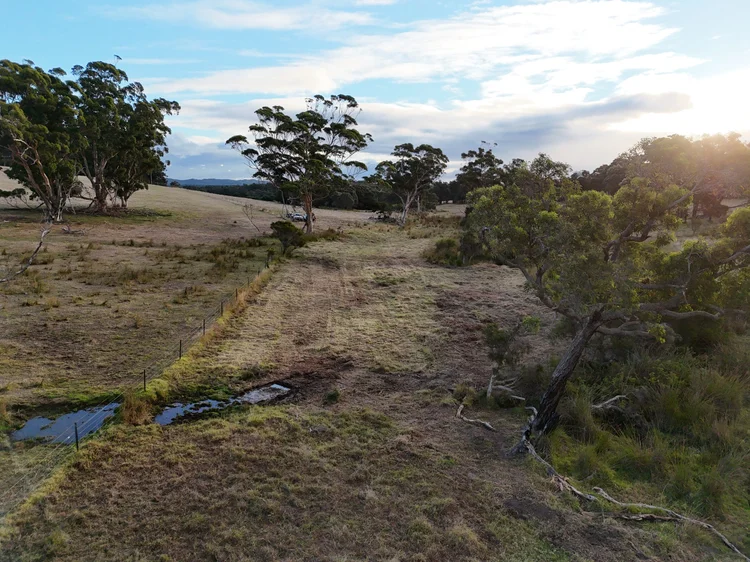
Stormwater and irrigation drainage corridors combining soft ground, steep batters, and proximity to infrastructure. 2.4 psi ground pressure works where heavier plant cannot safely operate.
Firebreak construction on steep or post-burn terrain — one of the highest-risk vegetation activities councils undertake. Documentation aligned with local government firebreak order requirements.
Where reserve
maintenance gets
difficult.
Most reserve vegetation is routine. The sections that aren't — steep batters, wet drainage lines, unstable embankments and areas conventional plant can't reach — are where maintenance backlogs and WHS exposure build up.
Road batters
Steep road batters are often skipped by mowing contractors or pushed onto brushcutter crews working on the slope. ARC11 mows and mulches batters up to 60° by remote control, with the operator positioned on safe ground. Based in the Great Southern, we cover Great Southern road batters around Albany and Denmark, and sites across WA.
Drainage lines
Drainage lines combine soft ground, steep sides and concrete, rock pitching or culvert infrastructure. Heavy plant risks bogging, asset damage and erosion, so sections are often left untreated season after season. At 2.4 psi ground pressure, ARC11 works these lines with controlled operation around the asset.
Embankments
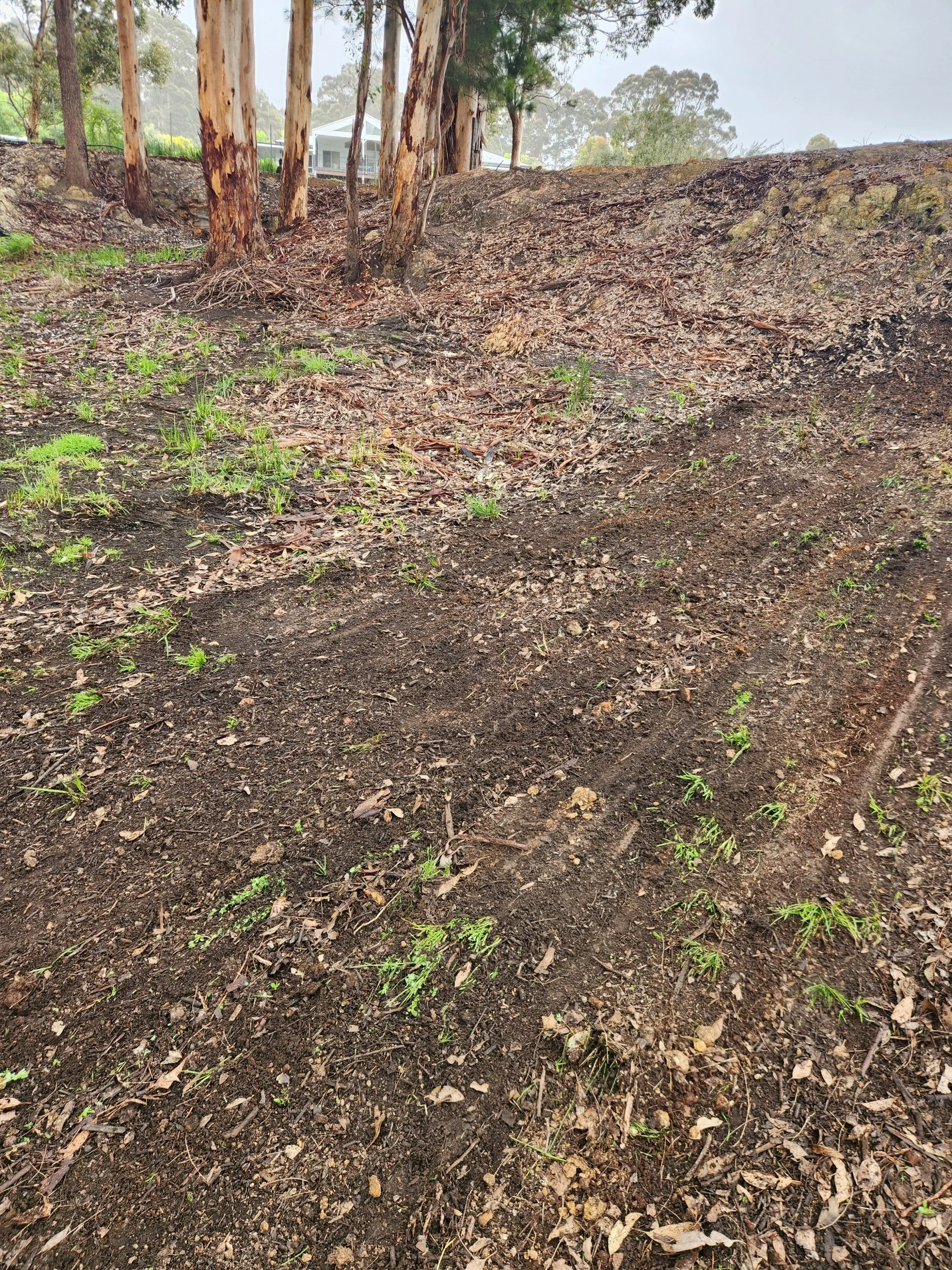
Embankments beside roads, paths and reserves can become unstable after rain or fire. Remote-controlled operation substantially reduces direct operator rollover exposure, and mulched material stays on site to help protect the surface against erosion.
Difficult-access reserve areas
Some reserve areas can't be reached safely by conventional plant at all — narrow access, gullies, dense regrowth and bushland edges. ARC11's compact machine reaches these areas for vegetation management and mechanical bushfire mitigation. See how we support council and utility vegetation management across difficult-access assets.
Response within one business day · Mon – Sat