
Difficult-access
vegetation management
for councils
& utilities.
When the safety case for conventional plant can't be made.
ARC11 provides remote-controlled vegetation management for steep, unstable, difficult-access and access-constrained terrain — delivering documented risk reduction and defensible contractor selection for local government, utilities, and infrastructure asset managers.

for your site.
The risks councils
are managing
every season.
Vegetation works in high-risk terrain expose councils and utilities to multiple, well-documented risks — many of which conventional manned plant cannot adequately address.
- Rollover and loss-of-control incidents involving tractors or cab-operated machinery on steep terrain
- Operator exposure on steep slopes, embankments, and unstable ground
- Damage to assets — culverts, drains, batters, road edges, and services
- Environmental disturbance on post-burn, erosion-prone, or sensitive sites
- Increased scrutiny following incidents, near-misses, complaints, or audits
- Defensibility questions when safer alternatives existed but weren't considered
Steep road batters and council reserves present rollover risk that's difficult to manage with standard mowing contractors. ARC11 operates remotely from safe ground — no operator on the slope, full documentation for the file.
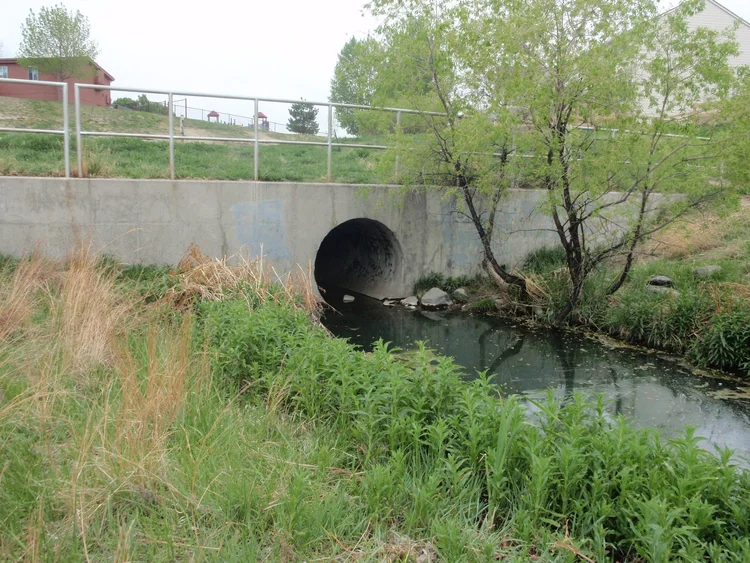
Drainage batters combine soft ground, steep access, and proximity to assets. ARC11's 2.4 psi ground pressure works where heavier plant can't safely operate — with reduced ground pressure and controlled operation around concrete, rock pitching and culvert infrastructure.
Firebreak construction on steep or post-burn terrain is one of the highest-risk vegetation activities councils undertake. ARC11 removes the operator from the hazard zone and provides documentation aligned with local government firebreak order requirements.
The sections that
never get done —
and why.
Most vegetation programs handle the easy ground well. The problems sit in the steep, wet and difficult-access sections that conventional contractors decline, defer, or push onto hand crews.
Batters contractors won't touch
Conventional mowing contractors decline or skip steep batter sections, leaving gaps in the maintenance program.
ARC11: works batters up to 60° by remote control, so the whole asset can be scoped, not just the flat sections.
Steep work pushed onto hand crews
When machines can't go, brushcutter crews end up on the slope — moving the risk onto manual workers rather than reducing it.
ARC11: the operator stays on stable ground, reducing manual work on the slope itself.
Drainage lines left untreated
Soft ground, steep sides and culvert infrastructure mean drainage lines get deferred season after season.
ARC11: 2.4 psi ground pressure and controlled operation around concrete, rock pitching and culverts.
Vegetation around infrastructure
Large conventional plant isn't appropriate near poles, pipes, fences, signage and services.
ARC11: a compact machine with a controlled cutting head for asset-adjacent work. See utility corridor vegetation management.
Bushfire mitigation on difficult terrain
Firebreaks and fuel reduction on steep or post-burn ground are hard to deliver with conventional methods.
ARC11: mechanical bushfire mitigation with the operator off the slope, documented against firebreak order requirements.
Maintenance backlogs
Inaccessible sections build up year after year until they become a compliance or fire risk.
ARC11: can be scoped for just the sections others can't reach, alongside your existing maintenance program.
Why conventional
machinery becomes
difficult to defend.
On steep or unstable terrain, the continued use of manned machinery increases both the likelihood and consequence of rollover incidents and operator injury.
Where safer, reasonably practicable alternatives exist, reliance on traditional plant may be difficult to justify if works are later reviewed by WorkSafe WA, environmental regulators, or internal auditors.
The key question is not whether vegetation was cleared, but whether the selected method appropriately reduced known risks. Failure to consider or adopt a safer method can create avoidable liability.
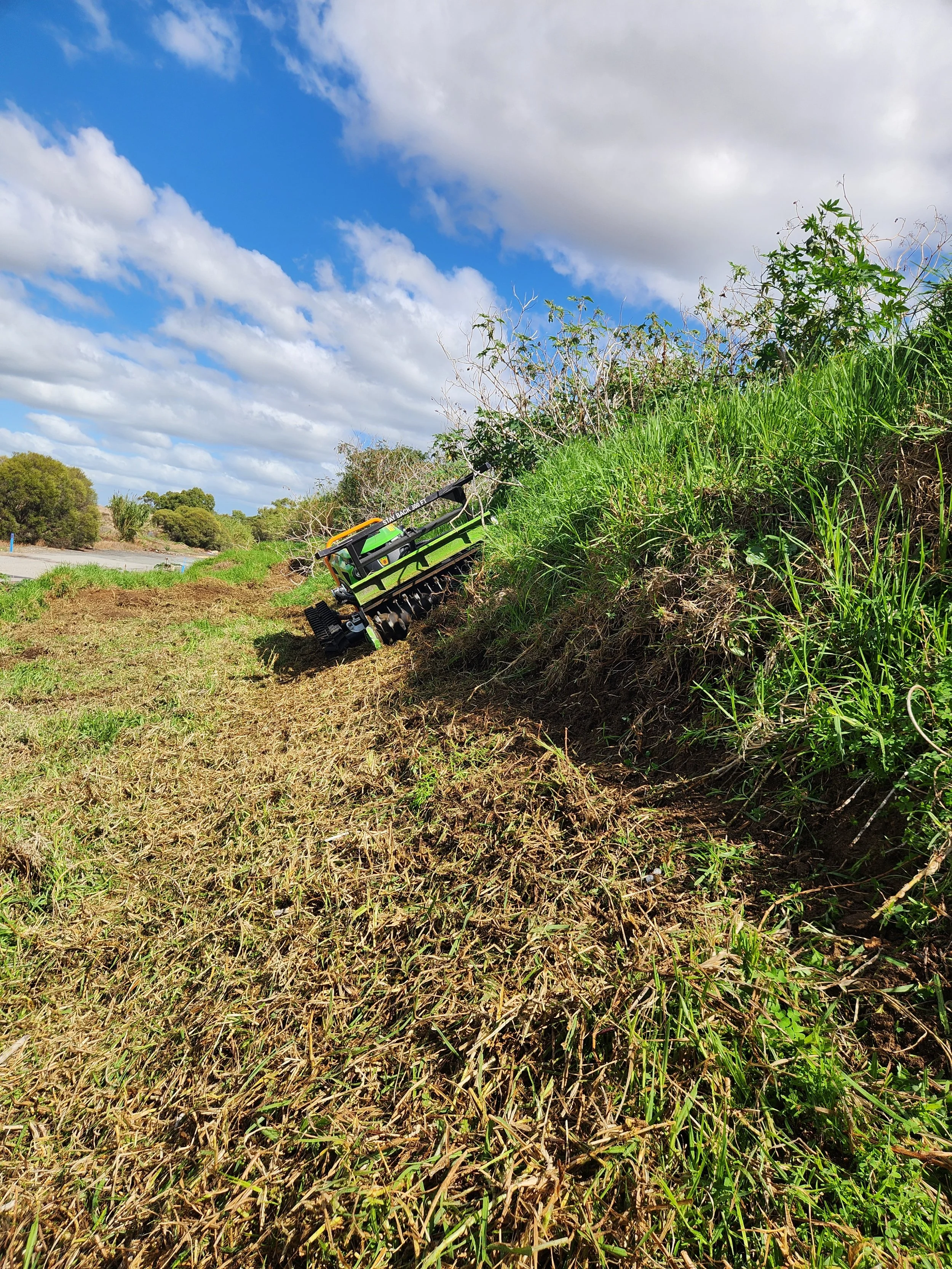
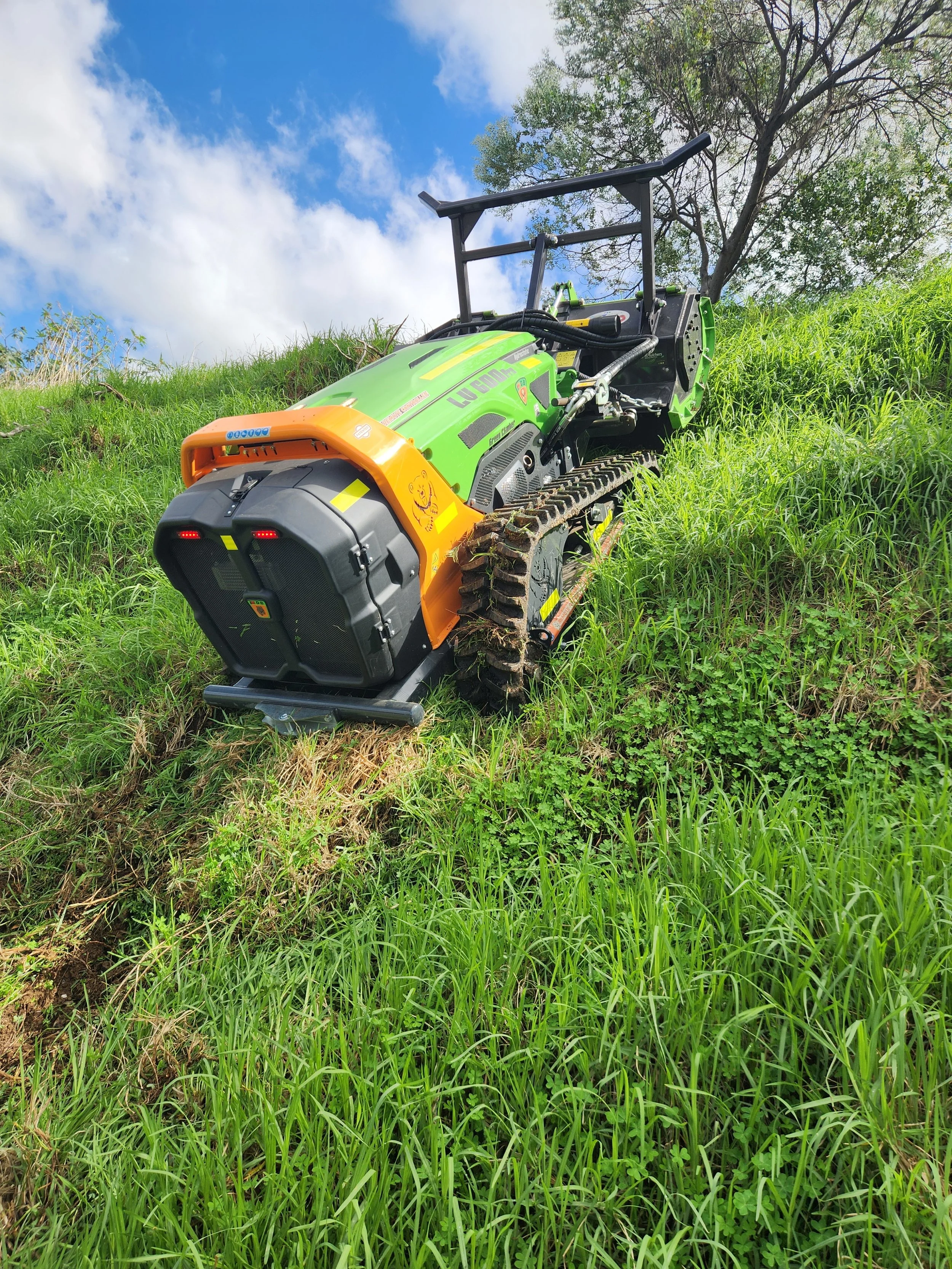
ARC11 is deployed as a risk control where conventional manned machinery introduces unacceptable exposure on steep, unstable, or constrained terrain.
- Operator removed from the hazard zone through remote-controlled operation
- Direct operator rollover exposure — substantially reduced through remote-controlled operation
- Low ground pressure minimises disturbance on post-burn or erosion-prone sites
- Controlled access to embankments, batters, drains, and constrained locations
- Method documented and aligned with WHS hierarchy of controls
A structured process
from first contact
to documented delivery.
Every engagement follows a consistent process — designed to support council procurement requirements and produce a clear, reviewable record of decision-making and method.
Documentation that
supports defensible
contractor selection.
ARC11 supports council and utility compliance requirements through a structured, risk-based approach to delivery.
- Site-specific work methods aligned to identified hazards and terrain conditions
- WHS-focused approach consistent with the hierarchy of controls
- Clear scope definition linked directly to access, slope, and ground conditions
- Fully insured — $20M public liability, compliance-ready for government engagement
- Pre-qualification documentation available for panel and approved contractor lists
"Our objective is not to promise zero risk, but to apply a method that can be justified if decisions are later reviewed."
Specialist services
for terrain that
changes the risk picture.
ARC11 is engaged by councils and utilities for vegetation management where terrain, access, or risk exposure makes conventional manned plant difficult to safely justify.
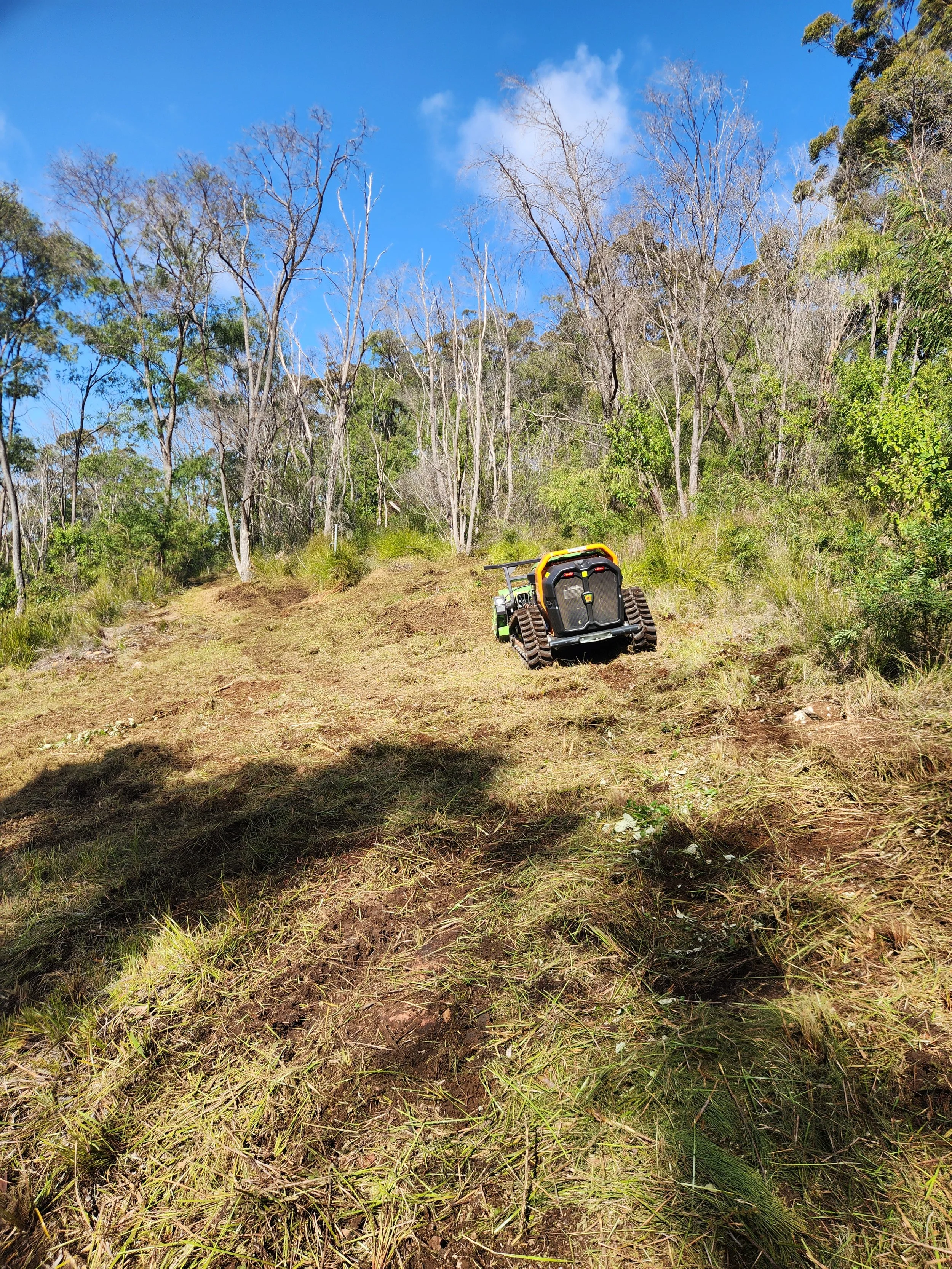
Remote-controlled slope mowing on gradients up to 60°. Operator controls from safe ground off-slope. Suitable for road batters, rail embankments, drainage lines, and hillside terrain where conventional plant presents rollover risk.
Tungsten-carbide mulching head processes scrub, regrowth, and storm debris up to 150mm diameter in a single pass. Material remains on site supporting erosion control. Suitable for constrained or environmentally sensitive sites.
Firebreak construction and maintenance on steep, unstable, or access-constrained terrain. Documentation aligned with local government firebreak order and WHS requirements. Suitable for council reserves, asset protection zones, and rural land.
Specific applications.
Utility corridor vegetation management
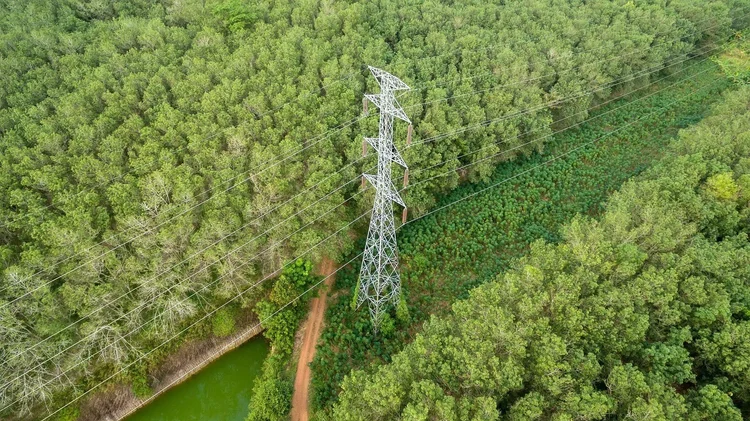
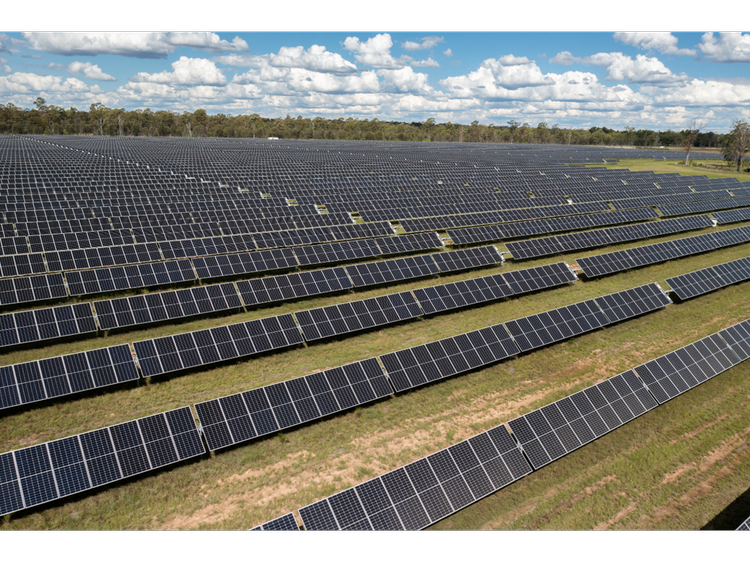
Power line easements, water and pipeline infrastructure, rail batters and solar sites where asset proximity and terrain limit conventional plant.
Road batters, drainage lines & reserves
Council reserve vegetation management across WA — steep road batters, drainage lines, embankments and difficult-access reserve areas.
Albany & the Great Southern
Steep slope vegetation management around Albany and the Great Southern — coastal slopes, road batters and drainage corridors close to our base.
Ready to assess
your site?
Use the site estimate tool to get started — select area, vegetation, and terrain. We review and follow up same business day. Or call us directly.
Mon – Sat · Extended hours by arrangement